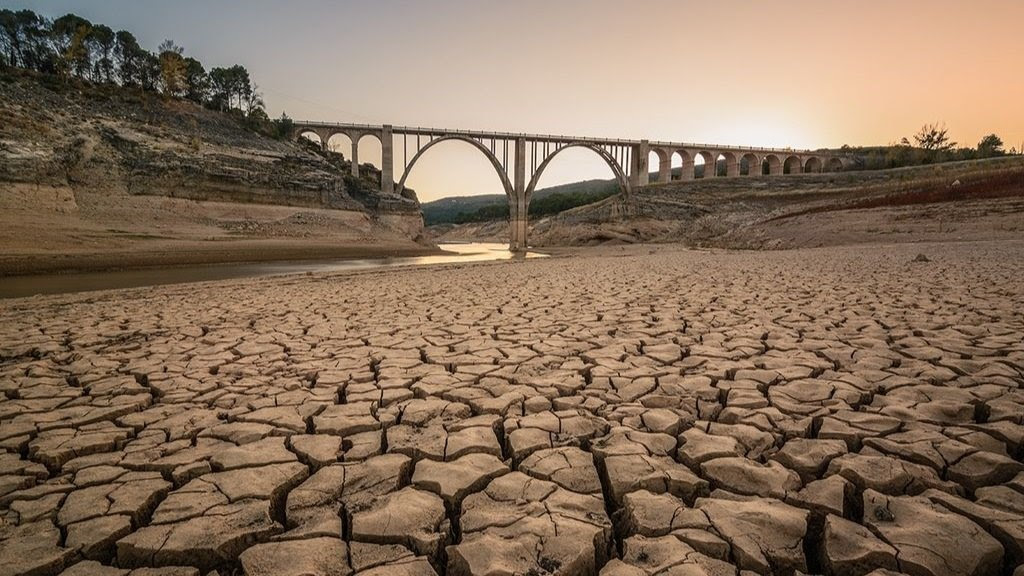
An estimated 43,000 excess deaths may have occurred in Somalia in 2022 due to the drought.
New Delhi: In what scientists are calling a cascading global crisis, extreme drought conditions that began in 2023 have continued into 2025, leaving millions facing hunger, displacement, and economic hardship.
Fueled by climate change and relentless pressure on land and water resources, some of the most widespread and damaging drought events in recorded history have taken place since 2023, according to a UN-backed report launched on Wednesday.
Prepared by the U.S. National Drought Mitigation Center (NDMC) and the UN Convention to Combat Desertification (UNCCD), with support from the International Drought Resilience Alliance (IDRA), the latest report Drought Hotspots Around the World 2023-2025 provides a comprehensive account of how droughts compound poverty, hunger, energy insecurity, and ecosystem collapse.
Commenting on the report, UNCCD Executive Secretary Ibrahim Thiaw, “Drought is a silent killer. It creeps in, drains resources, and devastates lives in slow motion. Its scars run deep.”
“Drought is no longer a distant threat,” he adds.
“It is here, escalating, and demands urgent global cooperation. When energy, food, and water all go at once, societies start to unravel. That’s the new normal we need to be ready for.”
“This is not a dry spell,” says Dr. Mark Svoboda, report co-author and NDMC Director. “This is a slow-moving global catastrophe, the worst I’ve ever seen. This report underscores the need for systematic monitoring of how drought affects lives, livelihoods, and the health of the ecosystems that we all depend on.”
“The Mediterranean countries represent canaries in the coal mine for all modern economies,” he adds. “The struggles experienced by Spain, Morocco and Türkiye to secure water, food, and energy under persistent drought offer a preview of water futures under unchecked global warming. No country, regardless of wealth or capacity, can afford to be complacent
The National Oceanic and Atmospheric Administration (NOAA) has confirmed that 2023 and 2024 were the two hottest years on record globally, with July 22, 2024, marking the hottest day Earth has ever recorded.
Driven by record-breaking temperatures and prolonged precipitation shortages, the drought has devastated regions across Africa, Asia, and parts of the Americas.
Today, @UNCCD launched our new #DroughtHotspots report, revealing the devastating scale of recent global droughts.
— UN Land and Drought (@UNCCD) July 2, 2025
At our #FfD4 side event, leaders from government & finance discussed how to turn these findings into action. Here's what you need to know: https://t.co/pihs1uL20G pic.twitter.com/lsFst5Rl3D
In sub-Saharan Africa, tens of millions are grappling with severe food insecurity and malnutrition. Thousands of deaths have been attributed to drought-induced famine, with millions more displaced from their homes as crops failed and water sources dried up.
“This is not just a climate event—it’s a humanitarian emergency,” said Dr. Miriam Osei, a climate and food security expert based in Ghana. “We’re seeing the collision of climate extremes with systemic vulnerability—poverty, poor infrastructure, and weak social safety nets.”
According to a comprehensive new report released this week, the severity of the drought impacts varied significantly by region, largely depending on how exposed and vulnerable populations were. Vulnerability is determined by a combination of exposure to extreme conditions, the sensitivity of communities to those conditions, and their ability to adapt or recover.
Rural agricultural communities—especially those reliant on subsistence farming—were hit hardest. In regions like the Horn of Africa and parts of South Asia, persistent drought decimated harvests, killed livestock, and forced families to abandon their land. Some areas saw widespread school closures and healthcare disruptions as migration surged and resources dwindled.
The report also highlights that socioeconomic factors such as income inequality, limited infrastructure, and political instability exacerbated the impacts of the drought. In many cases, governments struggled to provide adequate relief or support migration, leading to rising tensions and even conflict in some border regions.
“These droughts are revealing deep weaknesses in how the world prepares for and responds to climate shocks,” said Elena Tovar, a humanitarian policy analyst with the International Crisis Network. “Without urgent investment in drought resilience, early warning systems, and climate adaptation, these events will only become more deadly.”
As the world faces the ongoing impacts of the 2023–2025 drought, researchers, policymakers, and humanitarian organizations are calling for a renewed focus on resilience planning and equitable climate policy. The report urges leaders to act decisively to strengthen monitoring systems and help vulnerable populations adapt—before the next climate disaster strikes.