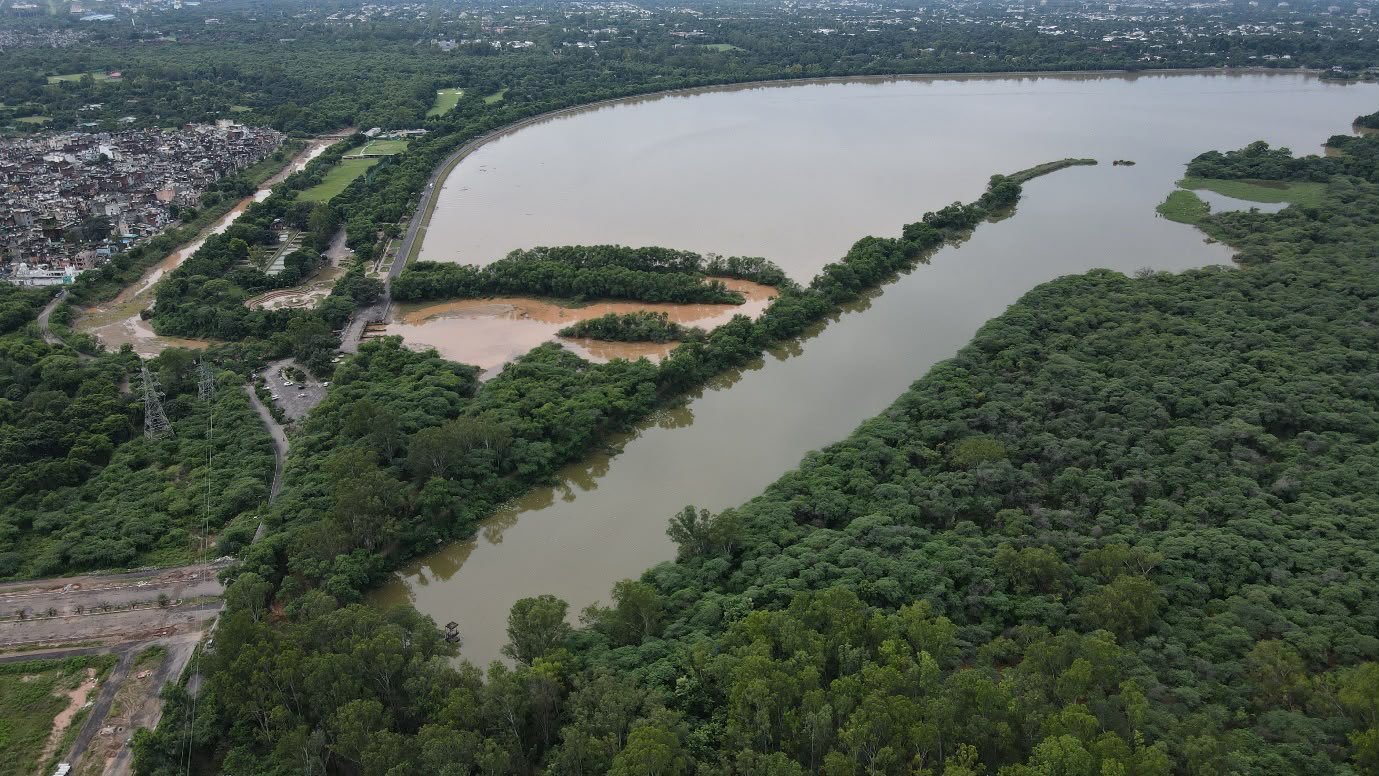
New Delhi:- India has strengthened its commitment to wetland conservation with the addition of Sukhna Lake in Chandigarh and Sauj Jheel in Uttar Pradesh to the list of Ramsar Sites, with this India’s Ramsar site tally has reached 103.
The latest designations highlight the importance of wetlands in conserving biodiversity, supporting water and climate security, and sustaining the livelihoods of local communities.
They also reinforce the need to protect these fragile ecosystems from pollution, encroachment and ecological degradation.
“This milestone highlights the importance PM Shri @narendramodi ji’s government has been laying on wetlands in conserving biodiversity, enhancing water and climate security, and sustaining local livelihoods” Union Environment Minister Bhupender Yadav said.
“These additions reaffirm India’s ongoing efforts to conserve its rich wetland ecosystems and strengthen the ecological, climatic and livelihood benefits they provide” he further added.
India’s Ramsar Site network grows to 103!
— MoEF&CC (@moefcc) October 15, 2026
With Sukhna Lake in Chandigarh and Sauj Jheel in Uttar Pradesh joining the list, India’s commitment to wetland conservation continues to grow.
These wetlands conserve biodiversity, strengthen water and climate security, and sustain… pic.twitter.com/gG5YOye46V
The development reflects the emphasis placed by the government led by Prime Minister Narendra Modi on wetland conservation as part of India’s broader environmental and biodiversity protection efforts.
Congratulating Chandigarh and Uttar Pradesh on the achievement, the announcement underscored the ecological, climatic and livelihood benefits that wetlands provide.
Beyond serving as habitats for diverse plant and animal species, wetlands play a critical role in regulating water systems, supporting aquatic biodiversity and strengthening resilience to climate-related risks.
Sukhna Lake, a prominent water body in Chandigarh, is an important part of the city’s natural landscape and a popular destination for residents and visitors. Its inclusion on the Ramsar List is expected to draw greater attention to the need for its long-term ecological protection.
Sauj Jheel in Uttar Pradesh adds to the state’s internationally recognised wetland network, highlighting the importance of conserving the region’s natural water bodies and their associated biodiversity.
The Ramsar Convention, an international treaty adopted in 1971, provides a framework for the conservation and wise use of wetlands. Designation as a Ramsar Site recognises a wetland’s international importance and strengthens the case for sustained conservation and management.
For travellers, the two wetlands also offer opportunities to explore India’s natural heritage. Visitors to Chandigarh can include Sukhna Lake in their itinerary, while those travelling through Uttar Pradesh can explore Sauj Jheel and its surrounding landscape.