New Delhi: A new research has estimated more than 2,300 billion tonnes of solid inorganic carbon in the top two metres of soil worldwide, which is more than five times the carbon found in all of the world’s vegetation combined.
The findings also underscore the urgency of incorporating inorganic carbon into climate change mitigation strategies.
The study was published in Science, by researchers led by Prof. HUANG Yuanyuan from the Institute of Geographic Sciences and Natural Resources Research of the Chinese Academy of Sciences (CAS).
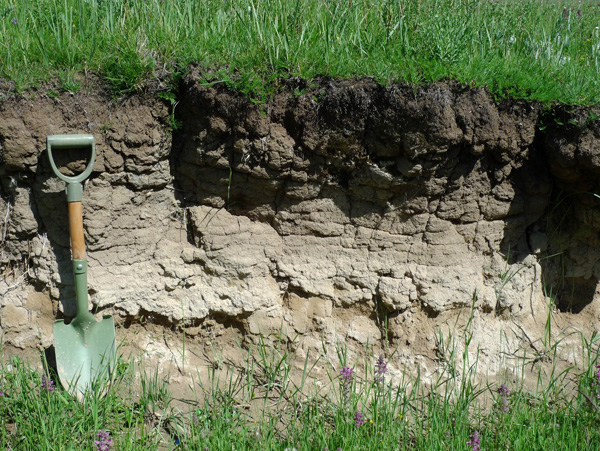
Soil carbon usually refers only to the organic matter component of soils, known as soil organic carbon (SOC). However, soil carbon also has an inorganic component, known as soil inorganic carbon (SIC).
Solid SIC, often calcium carbonate, tends to accumulate more in arid regions with infertile soils, which has led many to believe it is not important.
“This huge carbon pool is vulnerable to changes in the environment, especially soil acidification. Acids dissolve calcium carbonate and remove it either as carbon dioxide gas or directly into the water,” said Prof. HUANG.
“Many regions in countries like China and India are experiencing soil acidification due to industrial activities and intense farming. Without remedial actions and better soil practices, the world is likely to face a disturbance of SIC in the next thirty years,” she added.
The study said Disturbances to SIC accumulated over Earth’s history have a profound impact on soil health. This disruption compromises the soil’s ability to neutralize acidity, regulate nutrient levels, foster plant growth, and stabilize organic carbon.
Essentially, SIC plays a critical dual role in storing carbon and supporting ecosystem functions that depend on it.
The researchers revealed that approximately 1.13 billion tons of inorganic carbon are lost from soils to inland waters each year.
This loss has profound but often overlooked implications for carbon transport between the land, atmosphere, freshwater, and ocean.
This study underscores the urgency of incorporating inorganic carbon into climate change mitigation strategies as an additional lever for maintaining and enhancing carbon sequestration.
International programs such as the “4 per mille initiative,” which aims to increase (mostly) SOC by 0.4% annually, should also consider the critical role of inorganic carbon in achieving sustainable soil management and climate mitigation goals