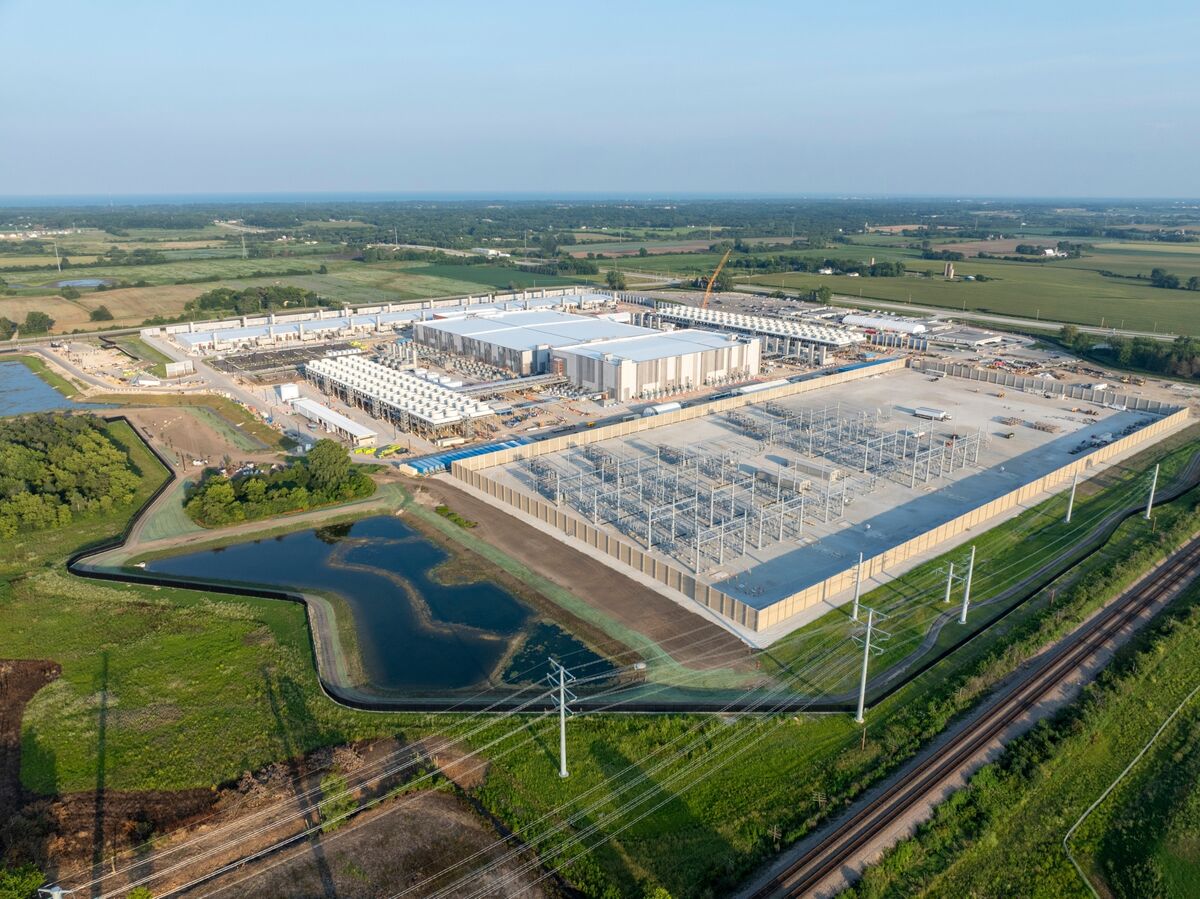
New Delhi:- The rapid expansion of artificial intelligence and cloud computing is placing unprecedented pressure on the world’s limited freshwater resources, with experts warning that the increasing water demand of data centres could intensify water scarcity and environmental stress.
Although data centres are known for their massive electricity consumption, their dependence on water is drawing growing attention. Water is essential for cooling high-performance computer processors and preventing overheating, particularly as AI applications require more powerful and energy-intensive computing systems.
Industry estimates show that a medium-sized data centre can consume nearly 110 million gallons of water annually for cooling.
Larger AI-focused facilities may use as much as five million gallons of water every day, roughly the same amount of water consumed by a town of 10,000 to 50,000 people. Across thousands of data centres, annual freshwater consumption runs into hundreds of billions of gallons.
The environmental challenge extends beyond on-site water use. Data centres also have a substantial indirect water footprint through electricity generation and semiconductor manufacturing.
Power plants supplying electricity consume vast quantities of water for cooling and steam production, while chip manufacturing relies on ultrapure water, making the production process highly water-intensive.
Scientists have also highlighted the hidden water cost of artificial intelligence. Research suggests that processing a 100-word AI prompt can consume approximately 519 millilitres of water, reflecting the cooling requirements of large language model infrastructure.
With billions of AI interactions taking place worldwide, the cumulative demand on water resources continues to rise.
Environmental experts warn that excessive withdrawal of freshwater from rivers and underground aquifers could worsen water shortages, especially in drought-prone and water-stressed regions. Around 80 per cent of the water withdrawn by many data centres is lost through evaporation during cooling, reducing the amount available for other human and ecological needs.
The rapid growth of AI is also increasing energy consumption and carbon emissions, creating a dual environmental challenge. As computing demand rises, greater electricity generation and additional cooling requirements contribute to higher greenhouse gas emissions alongside increased water use.
To reduce the environmental impact, technology companies are increasingly adopting advanced cooling methods such as direct-to-chip liquid cooling and immersion cooling, which significantly lower both water and energy consumption compared to conventional evaporative cooling systems.
Many operators are also turning to recycled and non-potable water to reduce dependence on drinking water supplies. Experts say improving water efficiency, expanding the use of reclaimed water, investing in low-water cooling technologies, and tracking water use through metrics such as Water Usage Effectiveness (WUE) will be essential as AI infrastructure continues to grow.
With only a tiny fraction of Earth’s freshwater readily available for human use, balancing technological advancement with sustainable water management is emerging as one of the defining environmental challenges of the AI era.