

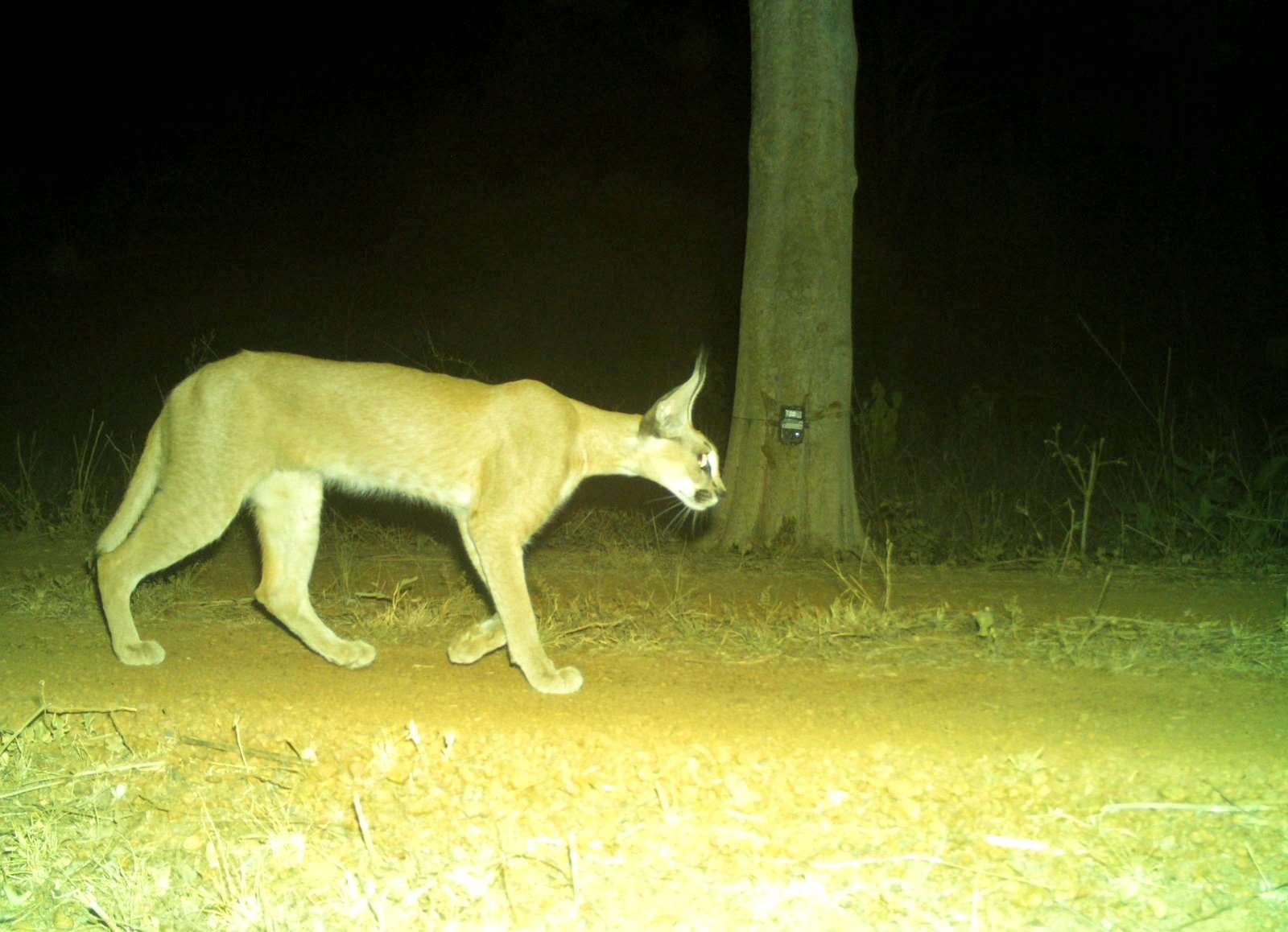
Bhopal, June 6: A rare wild cat, the Caracal, has been spotted in Madhya Pradesh’s Kuno National Park after several decades, marking a significant milestone in the state’s wildlife conservation efforts. The sighting was recorded during a recent camera trap survey conducted in the park.
Welcoming the development, Madhya Pradesh Chief Minister Mohan Yadav said the return of the elusive feline reflects the success of conservation measures undertaken in and around Kuno. He said Project Cheetah is not limited to the rehabilitation of cheetahs but aims to protect the entire ecosystem and ensure the conservation of all wildlife species and their natural habitats.
The Chief Minister noted that Kuno National Park has emerged as a successful model of wildlife conservation and is receiving recognition at both national and international levels. He said the reappearance of the Caracal is evidence of the positive ecological changes taking place in the region.
As we celebrate World Environment Day, nature continues to remind us of the importance of conservation and ecological balance.
— Dr Mohan Yadav (@DrMohanYadav51) June 5, 2026
After many years, a rare Caracal has been recorded in Kuno National Park through a recent Camera-trap survey, marking its return to the landscape.… pic.twitter.com/BB6AjN0BGo
The Caracal is a medium-sized wild cat known for its distinctive long black ear tufts and exceptional hunting abilities. Once found across several parts of India, the species has become extremely rare and is listed as a critically endangered species within the country due to habitat loss and declining populations.
Launched under the guidance of Prime Minister Narendra Modi, Project Cheetah has transformed Kuno National Park into a major wildlife conservation centre. Since the reintroduction of African cheetahs in 2022, the park has witnessed improvements in habitat management, prey availability and ecosystem monitoring.
Wildlife experts believe the return of the Caracal indicates a healthier ecosystem and highlights the broader conservation benefits of habitat restoration efforts undertaken under Project Cheetah. The sighting is expected to strengthen ongoing efforts to protect endangered species and enhance biodiversity in the region.





Excellent post. I was checking constantly this blog and I’m impressed! Extremely useful information specially the last part 🙂 I care for such information much. I was seeking this certain info for a very long time. Thank you and best of luck.