Ballia (Uttar Pradesh), June 5: In a major milestone for wetland conservation, the Jai Prakash Narayan Bird Sanctuary, popularly known as Surha Tal, in Uttar Pradesh’s Ballia district has been designated as a Ramsar Site of International Importance, becoming the 100th Ramsar site in India.
The announcement coincided with World Environment Day and was welcomed by Prime Minister Narendra Modi, who described the recognition as a reflection of India’s strong commitment to protecting wetlands and biodiversity.
“Glad that the Jai Prakash Narayan Bird Sanctuary (Surha Tal) in Ballia, Uttar Pradesh, has been designated as India’s 100th Ramsar site. This wetland is rich in avifaunal biodiversity, attracting several migratory and resident birds,” the Prime Minister said in a post on X.
He further noted that wetland conservation efforts across the country have been strengthened through community participation, scientific interventions, innovation and awareness campaigns. “These endeavours are helping preserve biodiversity, secure ecological balance, and create a greener future for coming generations,” he added.
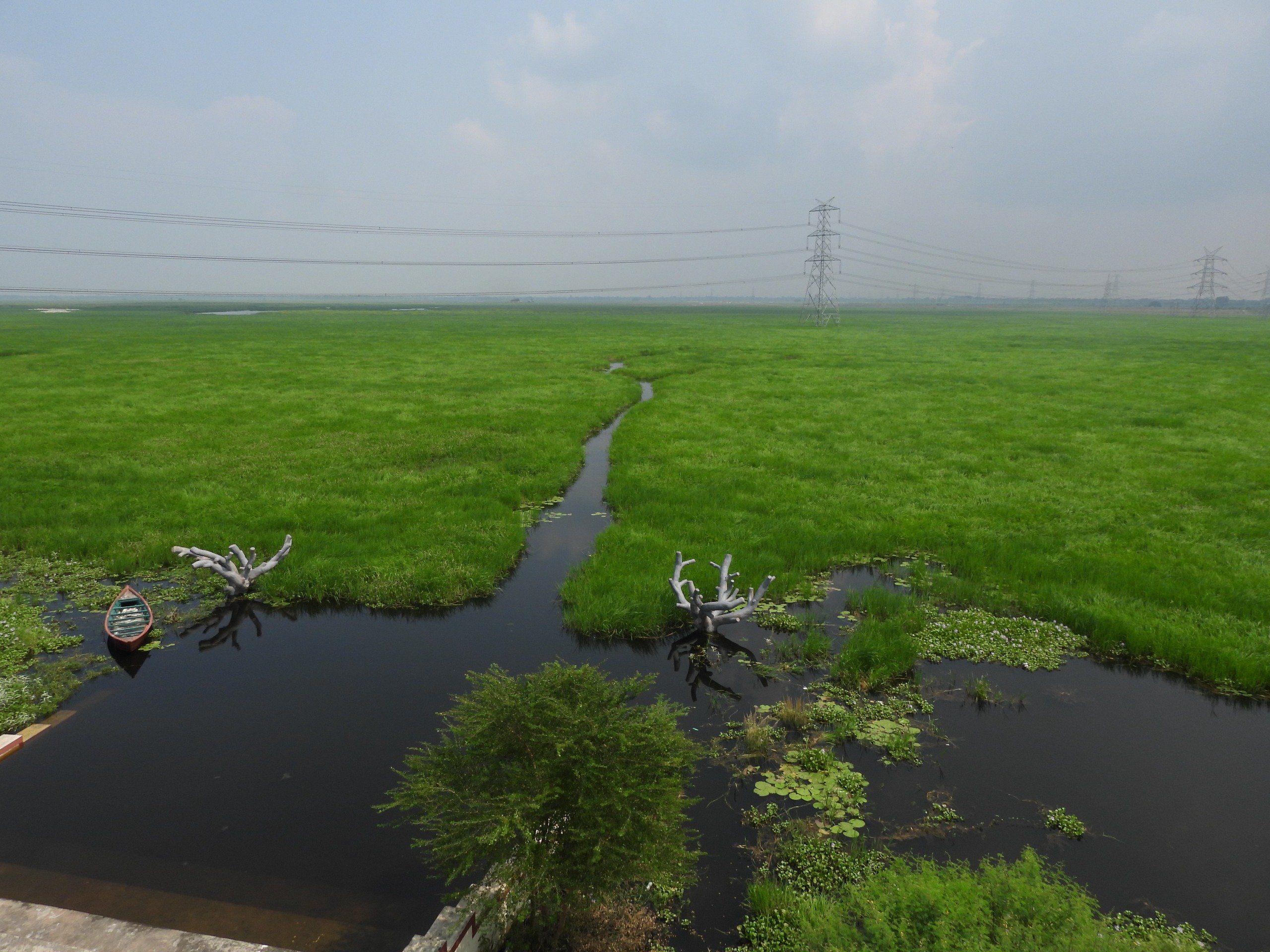
Located in eastern Uttar Pradesh near the confluence of the Ganga and Ghaghara river systems, the Jai Prakash Narayan Bird Sanctuary encompasses Surha Tal, a large natural freshwater oxbow lake spread across approximately 34 square kilometres. The wetland serves as an important ecological habitat and supports a diverse range of aquatic flora and fauna.
The sanctuary is renowned for its rich birdlife, attracting thousands of migratory birds during the winter months from Central Asia, Siberia and other regions. Species commonly recorded here include pintails, gadwalls, common teals, shovelers, pochards, cormorants, egrets, herons and storks, alongside numerous resident bird species.
Apart from avifaunal diversity, the wetland sustains several fish species, amphibians, reptiles and aquatic plants, making it an important ecosystem that supports local livelihoods, fisheries and agriculture. The lake also plays a crucial role in groundwater recharge, flood moderation and maintaining regional ecological balance.
International Recognition: The Ramsar designation is awarded to wetlands that meet internationally recognised criteria for ecological significance and biodiversity conservation. The recognition places Surha Tal among a global network of wetlands considered vital for the conservation of biodiversity and the well-being of human communities.
India became a contracting party to the Convention on Wetlands, commonly known as the Ramsar Convention, in 1982. The treaty, adopted in 1971 in the Iranian city of Ramsar, promotes the conservation and wise use of wetlands through national actions and international cooperation.
With Surha Tal’s inclusion, India now has 100 Ramsar sites covering more than 1.3 million hectares, underscoring the country’s growing focus on wetland conservation as part of its broader environmental and climate resilience agenda.
The designation is expected to boost conservation efforts, scientific monitoring, eco-tourism opportunities and community-led initiatives aimed at preserving the unique ecological character of the Ballia wetland for future generations.